How to Access Workforce Training in Virginia If You Have a Disability
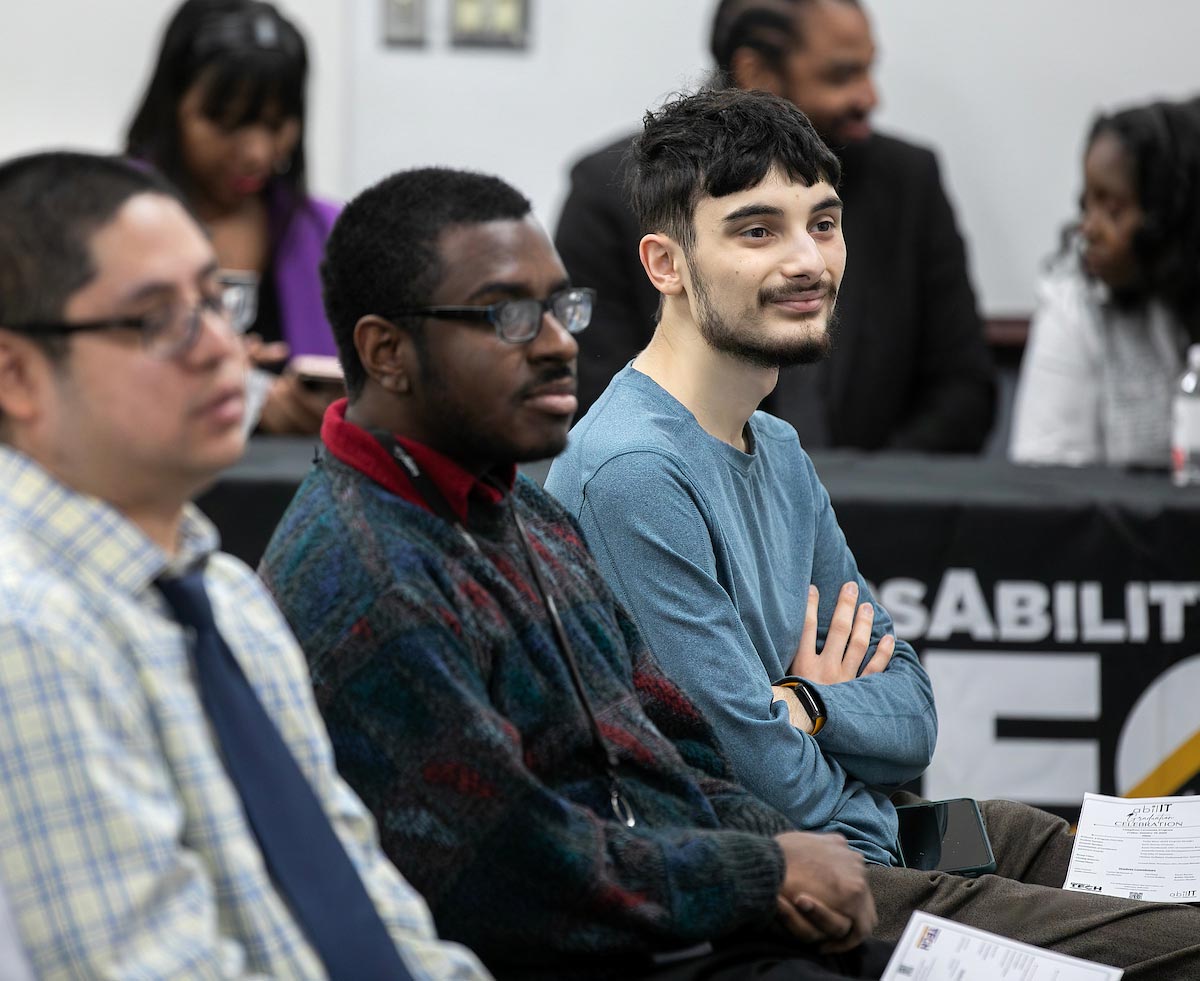
Finding the right workforce training program can be an important first step toward a meaningful career. For people with disabilities, however, that step may come with additional questions.
Is the training accessible? What support is available? Will the skills being taught lead to real employment opportunities? And how can employers become part of the process?
VersAbility TECH is designed to help answer those questions. Based in Hampton Roads, Virginia, the workforce development initiative provides people of all abilities with hands-on training, industry-recognized credentials and support designed to help participants move from the classroom into employment.
Just as importantly, VersAbility TECH works directly with businesses to make sure training reflects what employers actually need.
“Talent should be measured by potential, not by disability,” said Crystal Neal, Director of Workforce Development for VersAbility Resources.
How to Get Started With Workforce Training
For someone interested in workforce training through VersAbility TECH, the first step is simply to make contact and share what type of training or career opportunity they are interested in.
Prospective students can complete an inquiry form on the VersAbility TECH website. From there, a team member connects with the individual to learn more about their interests, goals, strengths, and support needs and determine which training opportunity may be the best fit.
The process is intentionally individualized.
Depending on the program, prospective students may participate in screening and vocational evaluation, receive career guidance, and identify accommodations or other supports that could help them succeed.
“We want to make sure we have the right person in the right training pathway and that they understand what the work will require,” Neal said.
VersAbility TECH programs are open to individuals of all abilities who are U.S. citizens age 18 and older, although some specialized programs have additional eligibility requirements.
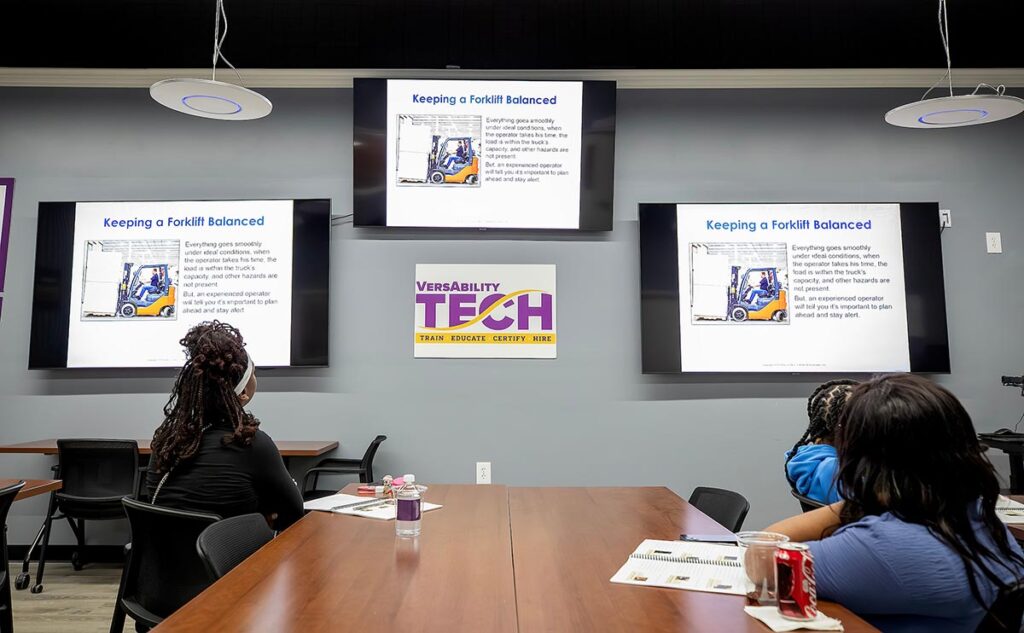
Removing Barriers to Training and Employment
A disability itself may be only one of the challenges a person encounters while pursuing training or employment.
Other barriers can include confidence, workplace readiness, finding the right career fit, accessing appropriate accommodations, or simply not knowing where to begin.
That is why the VersAbility TECH model extends beyond teaching technical skills.
Support services provided through VersAbility TECH and VersAbility Resources can include vocational evaluation and career assessment, workplace-readiness and soft-skills development, accommodations, job placement, and retention assistance.
“The goal is to remove barriers that could prevent someone from fully participating in training and successfully transitioning into employment,” Neal said.
Virginia agencies and community partners can also play an important role. The Virginia Department for Aging and Rehabilitative Services (DARS), local Social Services agencies, and the Virginia Department for the Blind and Vision Impaired (DBVI) can help connect eligible individuals with vocational services and employment supports.
Educational institutions, workforce organizations, community groups and employers are also part of that network, referring potential participants, creating work-based experiences and connecting trained individuals with employment opportunities.
“No single organization can solve the workforce gap alone,” Neal said. “It takes a network of partners working together around the individual and the needs of the employer.”
An Employer-Integrated Approach to Workforce Training
That last piece—the needs of the employer—is central to the VersAbility TECH approach.
Its Employer-Integrated Training Model brings businesses into workforce development before students finish their training rather than waiting until graduation to introduce employers.
“Employer-integrated means employers are part of the training process, not just waiting at the end of it to hire someone,” Neal said.
Employers can help identify the competencies workers actually need, review curriculum, recommend certifications, identify equipment and technology used in the field, and serve as subject-matter experts.
That input helps VersAbility TECH build programs around real jobs and current workforce needs.
In Hampton Roads, those needs are particularly visible in industries such as shipbuilding, logistics, and advanced manufacturing. Employers need technical skills, but Neal said businesses consistently emphasize something else as well: dependable employees who understand safety, communication, teamwork, problem-solving, attendance, and professionalism.
VersAbility TECH can incorporate both sides of that equation into training.
Businesses Can Help Build the Training Pipeline
The Employer-Integrated Training Model offers businesses multiple ways to become involved, ranging from occasional participation to significant long-term partnerships.
An employer might speak to a class, host a facility tour, provide an internship or other work-based learning opportunity, donate equipment, or help recruit graduates.
Businesses can also take a deeper role by serving as subject-matter experts, reviewing curriculum, helping identify equipment needs, or participating in the VersAbility TECH Advisory Board.
At the highest levels of involvement, employers may sponsor and help design classrooms or labs that replicate industry environments, provide skilled employees to serve as instructors, or even explore opportunities to co-locate operations within the VersAbility TECH Center. These arrangements can give students experience with real equipment, current industry practices, and live work environments while providing employers earlier access to potential employees.
“The strongest partnerships are two-way,” Neal said. “We want employers to help shape training while also gaining access to a prepared talent pipeline that truly meets their workforce needs.”
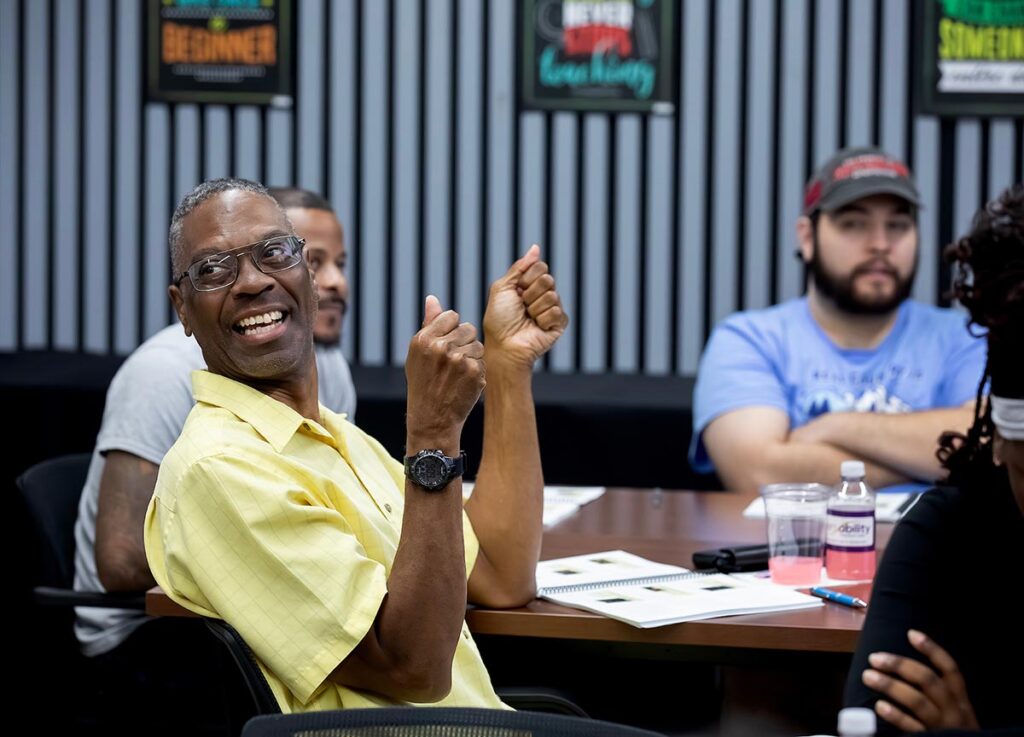
Connecting the Right Person With the Right Opportunity
An effective workforce pipeline involves more than training someone for a job opening. The individual and the employer also need to be a good fit.
Employers are looking for people with specific skills and workplace qualities. Job seekers have their own needs and preferences.
One person may need a third-shift position because of daytime family responsibilities. Another may thrive at a smaller company rather than a major employer. Some individuals may need workplace accommodations, while others may not.
Understanding both sides can create stronger employment matches and improve the likelihood of retention.
That same philosophy applies to disability.
“One of the biggest misconceptions is that a disability automatically limits what someone can contribute in the workplace,” Neal said. “It doesn’t.”
People with disabilities bring skills, experience, problem-solving abilities, determination, and diverse perspectives to the workplace. What they need, Neal said, is the same thing other workers need: an opportunity to demonstrate what they can do.
“The purpose is not to lower expectations,” she said. “It is to provide the training, credentials, support and workplace preparation individuals need to meet them.”
Support Beyond the Classroom
Training is not the finish line.
Moving from a classroom or training environment into a workplace is a critical part of long-term success. Depending on eligibility and individual circumstances, VersAbility Resources’ broader employment and supported-employment services can assist with job searches, interview preparation, onboarding, workplace accommodations, on-the-job support, and follow-along services.
Employment specialists can also work with employers to address challenges, provide additional training when appropriate and support employee retention.
That creates a resource on both sides of the employment relationship: employees can receive help adjusting to the workplace, while employers have a partner available to support successful integration and retention.
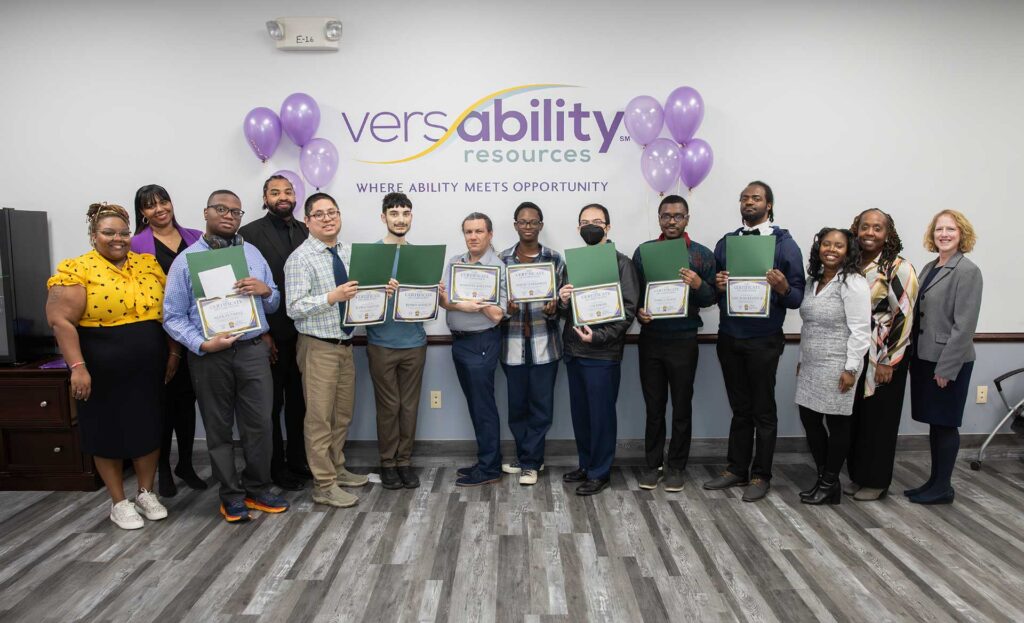
A Different Way to Build Virginia’s Workforce
VersAbility TECH’s approach starts with the individual but recognizes that successful workforce development cannot happen without employers.
For individuals with disabilities, that means access to training designed around strengths, career goals, and real employment opportunities.
For businesses, it means an opportunity to become active participants in developing their future workforce—from identifying needed skills and shaping curriculum to providing work-based learning and ultimately hiring trained candidates.
That connection is particularly important as Hampton Roads employers compete for skilled, dependable workers.
For businesses struggling to fill positions, Neal’s advice is to start a conversation.
“Tell us what jobs you are struggling to fill, what skills you need, what credentials are important, and what your workplace expects from new employees,” she said.
From there, VersAbility TECH can explore opportunities for curriculum input, employer engagement, work-based learning, talent pipelines, and hiring partnerships.
For individuals, the process can be just as simple: explore the available training opportunities and complete an inquiry form to begin determining which pathway is the right fit.
The goal brings both sides together: Train. Educate. Certify. Hire.
Individuals interested in workforce training can start by exploring VersAbility TECH programs and submitting an inquiry. Hampton Roads businesses interested in becoming part of the employer-integrated training model can connect with VersAbility TECH to explore opportunities to participate.